
Nigeria’s inflation rate rose to 34.80% in December 2024, a slight increase from 34.60% in November, as the country continues to grapple with economic challenges.
The National Bureau of Statistics (NBS) attributes the rise to heightened demand for goods and services during the festive season, as reflected in its latest Consumer Price Index report.
On a year-on-year basis, the inflation rate saw a sharp increase of 5.87 percentage points, up from 28.92% in December 2023, highlighting the ongoing pressures on consumer prices. The 12-month average inflation rate for the year ending December 2024 stood at 33.24%, a notable rise from 24.66% in 2023.
The report detailed the breakdown of inflationary pressure, with food and non-alcoholic beverages contributing the largest share, accounting for 18.02% of the overall inflation rate. Other major contributors included housing, water, electricity, gas, and other fuels, which added 5.82%, and transport, which contributed 2.26%. Smaller contributions were noted from sectors such as health and communication.
- I don’t regret killing my girlfriend – Timileyin Ajayi
- From Crisis to Windfall: Nigeria’s Oil Revenue Hits N50.88tn in 2024
The report also showed urban inflation outpacing rural inflation, with the urban inflation rate for December 2024 standing at 37.29%, up from 31.00% in December 2023. Rural inflation, meanwhile, rose to 32.47%, up from 27.10% the previous year.
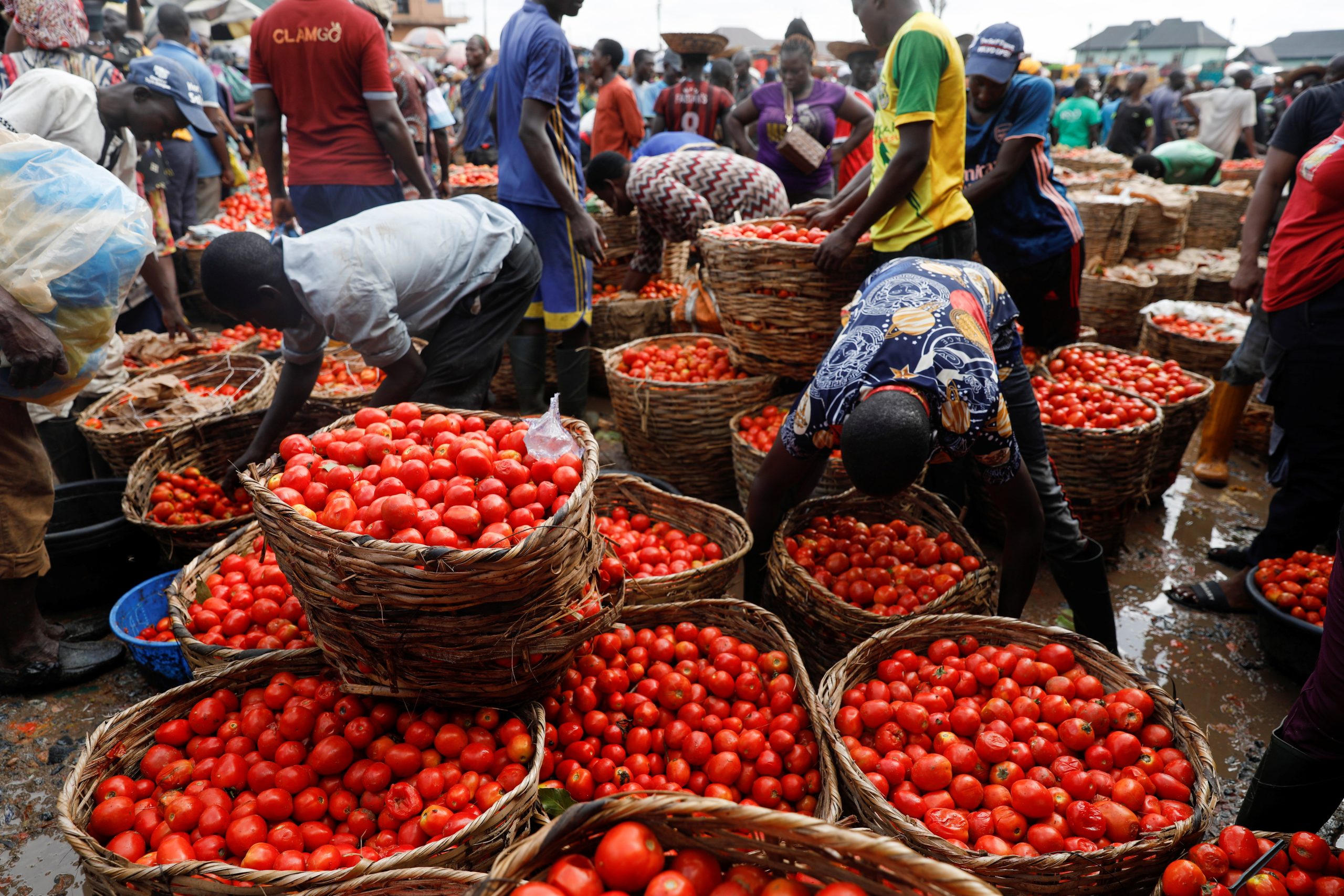
Food inflation continued to surge, reaching 39.84% year-on-year in December 2024, compared to 33.93% in December 2023. This was driven by price increases in staples such as yams, rice, maize, and dried fish. However, food inflation eased slightly on a month-on-month basis, with prices dropping for items like local beer, soft drinks, and tubers.
Core inflation, which excludes volatile items such as food and energy, climbed to 29.28% year-on-year in December, up from 23.06% in 2023. The sharpest price increases were observed in transport fares, meals at local restaurants, and personal grooming services.
State-wise, Bauchi recorded the highest year-on-year inflation at 44.06%, while Sokoto and Kebbi followed at 42.43% and 41.47%, respectively. On the lower end, Katsina posted the lowest inflation at 28.33%. For food inflation, Sokoto led with a staggering 57.47%, while Zamfara and Edo followed closely.
Despite slight month-on-month reductions in some areas, the rising inflation, particularly during a period of high consumer spending, underscores the ongoing economic difficulties facing Nigerians.