
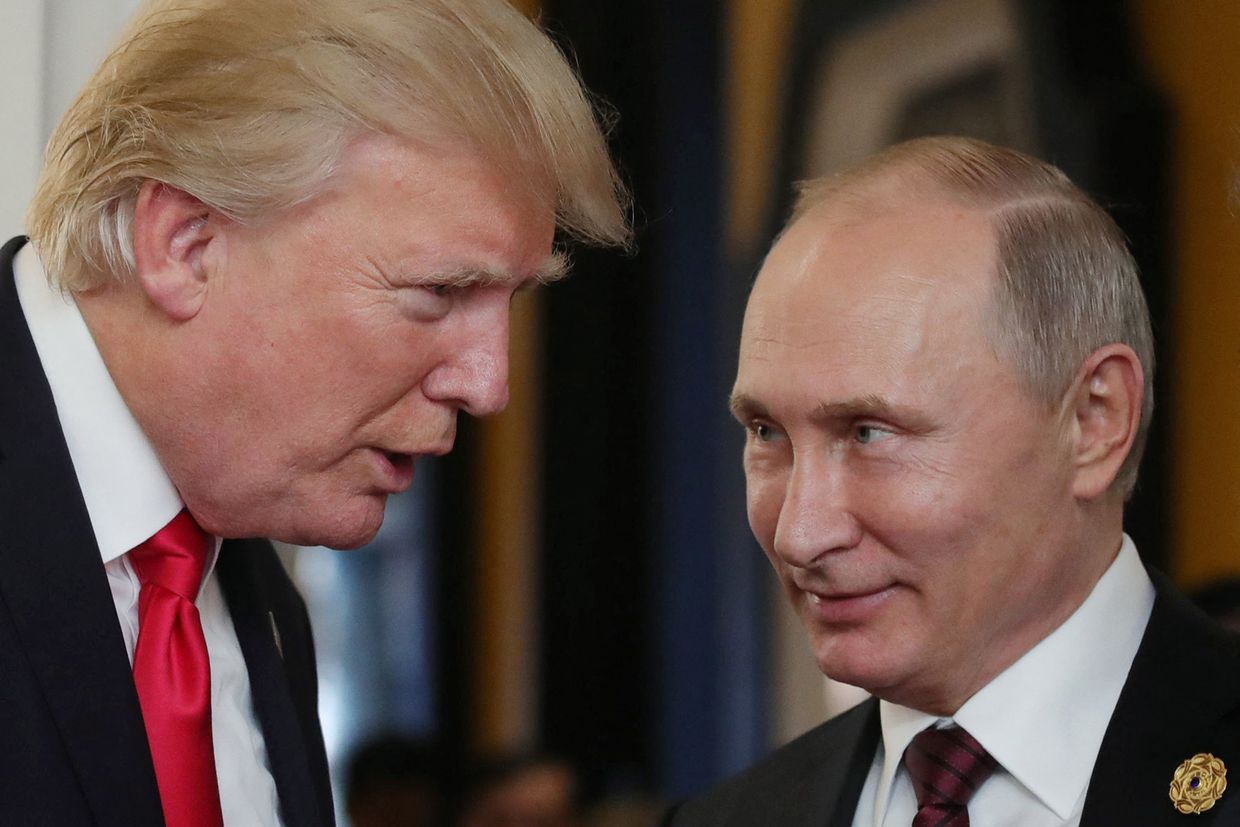
Even as diplomatic talks intensify around a possible end to the war in Ukraine, U.S. intelligence assessments are delivering a far more sobering message: President Vladimir Putin has not abandoned his long term ambition to dominate all of Ukraine and reclaim parts of Europe once controlled by the former Soviet Union.
According to six sources familiar with classified U.S. intelligence, recent assessments continue to warn that Moscow’s strategic goals remain unchanged, despite public signals suggesting an appetite for peace. One of the most recent reports was completed in late September, underscoring that this view is not historical but current.
The findings sit uneasily alongside the narrative advanced by U.S. President Donald Trump and his negotiators, who have argued that Putin is ready to end the conflict. Intelligence officials, however, say the reality beneath the talks tells a different story.
A consistent warning since 2022
U.S. intelligence agencies have held this assessment since Russia launched its full scale invasion of Ukraine in 2022. The reports broadly align with the views of European governments and security services, which believe Putin still covets not only Ukraine but also territories in former Soviet bloc states, including NATO members.
“The intelligence has always been that Putin wants more,” said Mike Quigley, a Democratic member of the House Intelligence Committee. “The Europeans are convinced of it. The Poles are absolutely convinced of it. The Baltics think they’re first.”
Russia currently occupies about 20 percent of Ukrainian territory, including most of Luhansk and Donetsk in the Donbas, parts of Zaporizhzhia and Kherson, and Crimea, the strategic Black Sea peninsula annexed in 2014. Putin claims all four provinces, along with Crimea, as Russian territory.
That claim has become a central fault line in negotiations. Trump is reportedly pressuring Kyiv to withdraw from the remaining areas of Donetsk under Ukrainian control as part of a proposed deal, a demand President Volodymyr Zelenskiy and most Ukrainians strongly reject.
Diplomacy meets denial
While the White House maintains that progress is being made, it has not directly addressed the intelligence warnings.
“The president’s team has made tremendous progress with respect to ending the war,” a White House official said, adding that a deal is “closer than ever before.”
Russia, for its part, has dismissed the intelligence outright. Kremlin spokesman Dmitry Peskov said Moscow questioned the reliability of the sources and insisted the conclusions were false. Putin has repeatedly denied posing a threat to Europe.
Yet the intelligence picture remains complicated. Director of National Intelligence Tulsi Gabbard said in a recent post that Russia currently lacks the military capacity to overrun all of Ukraine, let alone Europe, and seeks to avoid a wider war. Intelligence officers, she said, have briefed lawmakers to that effect.
To many analysts, this does not contradict the core warning. Capability today, they argue, is not the same as intent tomorrow.
The gamble of security guarantees
Behind closed doors, Trump’s negotiators, Jared Kushner and Steve Witkoff, have been pushing a 20 point peace framework in talks with Ukrainian, Russian and European officials. Meetings have taken place in Miami, Berlin and other diplomatic hubs, with more expected.
Why Akpabio Took the Natasha Akpoti Fight to the Supreme Court
Negotiators say there has been movement on security guarantees designed to deter future Russian aggression. These include the possible deployment of a largely European security force in Ukraine and neighboring countries, U.S. backed intelligence sharing, air patrols, and a formal U.S. Senate ratification.
But even here, uncertainty reigns. Some sources say the guarantees hinge on Ukraine ceding territory, while others insist alternatives are still under discussion. Zelenskiy has publicly ruled out territorial concessions and questioned the substance of the guarantees on offer.
“What will these security guarantees actually do?” he asked recently.
Russia, meanwhile, has consistently opposed the presence of foreign troops in Ukraine, raising fresh doubts about whether any agreement could hold.
Peace talks under a long shadow
As negotiators chase an end to Europe’s bloodiest war in decades, U.S. intelligence continues to cast a long shadow over the process. The reports suggest that even a ceasefire or territorial compromise may not end the underlying conflict, but merely pause it.
The central question now confronting policymakers is stark: if intelligence agencies are right, can any deal built on territorial loss and security promises truly contain a leader they believe still wants more?
For Ukraine, Europe and Washington alike, the answer may define not just the end of this war, but the shape of the next one.


