
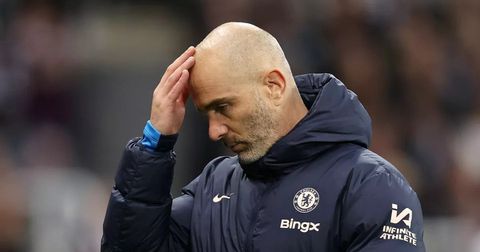
Medical wars, Guardiola whispers and a club that had lost patience
Enzo Maresca’s exit from Chelsea on New Year’s Day was sudden, dramatic and anything but simple. Publicly framed as a mutual decision, the Italian coach’s departure was in reality the climax of weeks of tension involving dressing room trust, medical stand offs, boardroom unease and discreet conversations about replacing Pep Guardiola at Manchester City.
By the time Maresca cleared his desk, Chelsea had already begun planning life after him.
The cracks that would not heal
Chelsea’s form had been wobbling long before the announcement. One win in seven Premier League games left the club drifting 15 points behind leaders Arsenal, with frustration spilling into the stands. The low point came during a 2–2 home draw against Bournemouth when supporters openly booed Maresca and chanted that he did not know what he was doing after substituting Cole Palmer.
But results alone did not seal his fate.
The real fracture emerged in mid December, when Maresca told reporters he had experienced his “worst 48 hours” at the club after a win over Everton, adding that “many people did not support us”. He refused to explain further. Inside Stamford Bridge, the comments were seen as reckless and destabilising.
The medical department clash
Behind the scenes, Maresca had been locked in repeated disputes with Chelsea’s medical and performance teams. The disagreements centred on player workload, recovery timelines and return to play protocols.
Why I Am Not Supporting Tinubu in 2027 And My Rift With Wike – Makinde
At the heart of it all was captain Reece James, whose long history of hamstring and knee injuries had made the club ultra cautious. Chelsea operate a strict, data driven injury prevention policy, designed to protect key assets such as James, Wesley Fofana, Pedro Neto and Cole Palmer.
Maresca wanted more flexibility. Chelsea said no.
The relationship deteriorated further when James was played for three full matches in a single week, something he had not done since 2023. Internally, it was viewed as a red line being crossed.
The Guardiola factor
What finally alarmed Chelsea’s hierarchy was not just what Maresca said in public but what he admitted in private.
Sources say Maresca informed the club on two occasions that he had held discussions with figures connected to Manchester City about potentially succeeding Pep Guardiola should the Spaniard leave at the end of the season. Maresca had served as Guardiola’s assistant during City’s 2022–23 treble campaign.
At the same time, interest from Juventus and another Champions League club was quietly floated as leverage. Maresca and his representatives sought improved terms despite being tied to a long term contract running until 2029.
Chelsea were unimpressed. Talks went nowhere.
A structure Chelsea would not bend
Chelsea’s ownership, led by Todd Boehly and Clearlake Capital, remain committed to a rigid sporting structure where recruitment, sports science and performance data cannot be overridden by a head coach. Maresca’s push for greater autonomy and a new centre back following Levi Colwill’s injury was rejected.
APC to FUbara: Wike Remains the Political Gatekeeper in Rivers, “Pass Through Him” to win
Internally, concerns grew that Maresca’s dissatisfaction was seeping into the squad. Chelsea have dropped 15 points from winning positions this season, 13 of them at home.
The final straw came after Maresca declined to conduct his post match press conference against Bournemouth, sending assistant Willy Caballero instead. Club insiders were stunned.
The end, before City away
By Wednesday night, Chelsea’s patience had run out. Although the plan had been to review Maresca at season’s end, the mood shifted quickly. On Thursday morning, he said his goodbyes and agreed a severance package.
Chelsea confirmed the split in a brief statement, thanking Maresca for delivering the Europa Conference League and FIFA Club World Cup, but conceding that change was needed to rescue the season.
What next for Chelsea
Chelsea travel to Manchester City this weekend without a permanent manager in place. Liam Rosenior of Strasbourg, Chelsea’s partner club, is the leading candidate, though an interim appointment remains likely.
Other names have been discussed quietly, but Chelsea’s shortlist is small and tightly controlled.
For Maresca, the story ends with a lesson Chelsea have learned before: at Stamford Bridge, results matter, but alignment matters more.
And when trust breaks, it rarely comes back together.