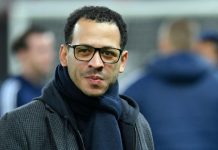

When Eric Chelle walked into his first major tournament selection as Super Eagles manager, few expected fireworks. What they got instead was a list that signals a quiet revolution. The new coach has unveiled a final twenty eight man Nigeria squad for the Africa Cup of Nations in Morocco, and the message is unmistakable: this is a team built on renewal, recovery, and a new way of thinking.
This announcement trims last week’s provisional fifty four man roster into a leaner, sharper contingent. The headline stars remain, but the fine print is where the story unfolds.
How the Big Names Stayed and the Big Gaps Emerged
Victor Osimhen. Wilfred Ndidi. Ademola Lookman. The core of Nigeria’s attacking and midfield power remains intact. Perhaps the biggest sigh of relief came from fans anxious about Stanley Nwabali’s fitness. After weeks of doubt, the Chippa United goalkeeper has been cleared for action and will lead a three man goalkeeping group with Amas Obasogie and Francis Uzoho.
But while some return, others fade. William Troost Ekong, once the anchor of the back line, is out after retirement. Ola Aina is forced out by injury. Maduka Okoye and Tolu Arokodare, both regular topics of debate among fans, are also absent.
Troost Ekong’s departure shifts responsibility onto Fulham’s Calvin Bassey, now the defensive leader in every sense. He will marshal a back line that blends experience and freshness, featuring Semi Ajayi, Bright Osayi Samuel, Bruno Onyemaechi, Chidozie Awaziem, Zaidu Sanusi, Igoh Ogbu, and the newly invited Ryan Alebiosu.
How the Midfield Became the Team’s New Engine Room
Nigeria’s midfield often feels like an unsolved puzzle, but Chelle has chosen pieces that reflect his vision of balance, athleticism, and passing range.
Wilfred Ndidi, recently wearing the captain’s band in friendlies, is again at the centre of the operation. Frank Onyeka, Raphael Onyedika, and a fully fit Fisayo Dele Bashiru form the reliable core.
Then there is the exciting part. Nigeria enters this AFCON with a new generation rising. Ebenezer Akinsanmiro, the young Serie A midfielder, earns his first senior call-up. Usman Muhammed and Tochukwu Nnadi complete a midfield unit that feels fresher than anything seen in recent tournaments.
No Incident, No Threat: Nigerian Air Force Explains Why Its C 130 Landed in Burkina Faso
It is risk. It is intent. It is Chelle saying he is not afraid to turn the page.
How the Attack Became the Sharpest Part of the Squad
The frontline is where Nigeria look most like Nigeria: fast, direct, unpredictable, and full of goals.
Osimhen leads the charge, supported by Ademola Lookman, Samuel Chukwueze, Moses Simon, Chidera Ejuke, Akor Adams, Cyriel Dessers, and Paul Onuachu.
But there is also a new story to tell. Salim Fago Lawal, twenty two years old and thriving in Croatia with six goals and two assists this season, makes his tournament debut. His inclusion is the latest sign that Chelle wants competition in every attacking position.
Nigeria’s attack is stacked. Their challenge is cohesion.
How Nigeria Are Plotting Their Road to Morocco
The team begins camp in Egypt, where they face the Pharaohs on December sixteen. They then travel to Morocco ahead of the opening day of the tournament on December twenty one.
Nigeria are drawn in Group C with Tanzania, Tunisia, and Uganda. Their first match on December twenty three in Fes feels like a must win: a chance to make an early statement, silence doubts, and set the tone for a long campaign.
How Chelle’s Choices Could Shift the Future
This squad is not just a list of names. It is a blueprint. A fusion of senior stars, recovering players, and bold newcomers. A signal that the new manager is willing to trust youth while holding tight to Nigeria’s global stars.
If Chelle’s tactical ideas match the ambition of his selection, AFCON 2025 may be remembered as the point where Nigeria began to rebuild a football identity that has felt scattered for years.
For now, the message is simple: the Eagles are going to Morocco with talent, depth, and a coach ready to gamble.