
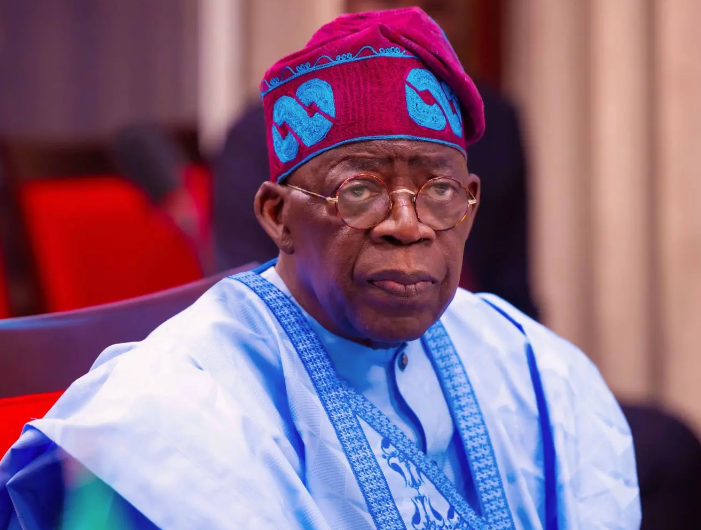
In a week marked by political finger-pointing, the Presidency has robustly dismissed allegations from opposition figures that President Bola Tinubu is undermining multiparty democracy by using the Economic and Financial Crimes Commission (EFCC) to target political rivals.
The controversy erupted on Sunday when former Vice President Atiku Abubakar, Senator David Mark, former presidential candidate Peter Obi, and other opposition leaders accused the Federal Government of turning the EFCC into a tool of political persecution.
But in a swift and pointed response, Bayo Onanuga, Special Adviser to the President on Information and Strategy, urged critics to stop undermining national institutions, insisting that the EFCC operates independently.
Describing the opposition’s claims as “hot air,” Onanuga said the statements were aimed at creating scapegoats for political failures while attempting to confuse the public in a bid for “cheap political gains.”
MILO Signs on Northern Influencers to Strengthen National Representation
“None of the people who joined the governing APC was pressured to do so. They all did so of their own free will, motivated by the noticeable gains of President Bola Tinubu’s reform programme,” he said. “May we ask: when politicians were moving in droves to the now-dying Peoples Democratic Party between 2000 and 2015, was Nigeria’s democracy imperilled?”
The Presidency emphasized that EFCC investigations are uncovering those with questions to answer about their stewardship of public funds. Onanuga maintained that claims of the EFCC being politicized were misguided, noting that the anti-graft agency is legally empowered to act independently.
“We find it curious that the same people who claimed they want to rescue Nigeria are now the ones waging a war of attrition against accountability and probity. Those with cases before the EFCC should be bold enough to defend themselves if they are clean,” he added.
Onanuga further stressed that President Tinubu’s focus remains on addressing national issues rather than engaging in political targeting. “No one is above the law. Accountability is for all, regardless of political affiliation. The EFCC’s work has contributed to Nigeria’s removal from the FATF grey list,” he said, pointing out that some opposition figures had previously been investigated or prosecuted before Tinubu assumed office in 2023.
As the political rhetoric continues, the clash highlights the tension between governance, accountability, and perception in Nigeria’s charged political landscape—raising questions about the fine line between law enforcement and political narrative.