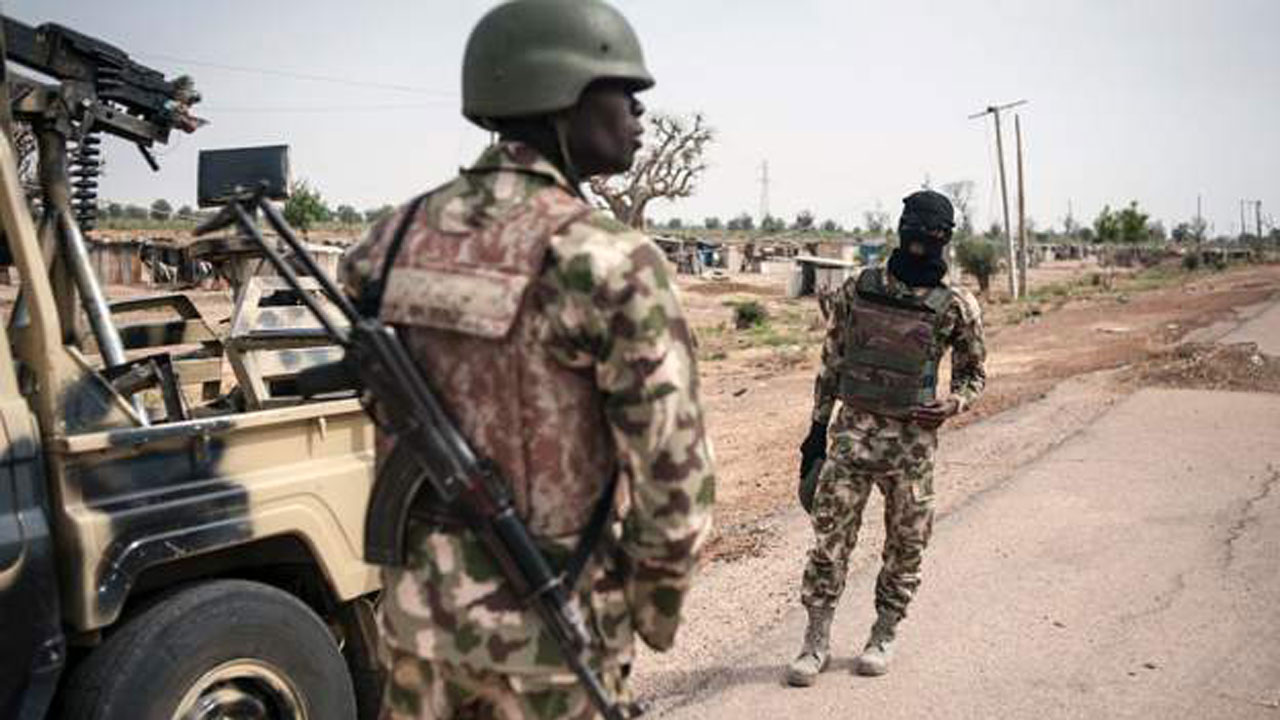
Despite Nigeria’s deepening security crisis, nearly 1,000 senior military officers including Major-Generals, Rear Admirals, and Air Vice Marshals have been forced into early retirement under the administrations of Muhammadu Buhari and Bola Tinubu, triggering debate over how the country manages its armed forces.
The mass exits, which cut across the Army, Navy, and Air Force, stem from a long-standing military tradition requiring senior officers of the same rank or course as newly appointed service chiefs to step down.
Between 2015 and 2023, over 500 top officers were officially confirmed to have left service, though insiders claim the real figure could be closer to 900.
Each wave of presidential appointments from Buhari’s early tenure to Tinubu’s recent reshuffle has been followed by mass retirements, often removing experienced combat leaders even as insurgency, banditry, and terrorism persist nationwide.
The first wave of retirements occurred shortly after former President Muhammadu Buhari appointed new service chiefs in July 2015. They include Lt.-Gen. Tukur Buratai as Chief of Army Staff, Air Marshal Sadique Abubakar as Chief of Air Staff, and Vice Admiral Ibok-Ete Ibas as Chief of Naval Staff.
Over 100 senior Army officers, mainly Major Generals and Brigadier Generals, were forced to retire, while the Navy lost over 20 senior officers, including Commodores and at least one Rear Admiral.
A second phase was recorded in 2021 after Buhari replaced all the service chiefs and appointed a new set-Air Marshal Isiaka Amao (Air Force), late Lt.-Gen. Ibrahim Attahiru (Army) and Vice Admiral Awwal Gambo (Navy).
That exercise saw about 123 generals exit the Army, while over 50 senior Air Force officers, and another 50 naval officers also left service.
The Army again witnessed another wave in May 2021 following the death of Gen. Attahiru, which led to the appointment of Gen. Farouk Yahaya, who was junior to several serving generals.
His emergence triggered the voluntary retirement of over 20 generals from Courses 35 and 36.
Under President Tinubu, the pattern has continued. Two weeks after he assumed office, the President, on June 19, 2023, appointed new service chiefs, prompting mass retirements across the services.
The appointment of late Lt.-Gen. Taoreed Lagbaja, Air Marshal Hasan Abubakar, and Vice Admiral Emmanuel Ogalla, as the heads of their respective services, led to the untimely retirement of 51 army generals, 49 top Air Force officers and 17 naval officers.
Last Friday, Tinubu executed a shake-up in the military leadership. Gen Olufemi Oluyede replaced Gen Christopher Musa as CDS; Maj-Gen Waidi Shaibu becomes the COAS; Air Vice Marshal Sunday Aneke takes over as CAS, while Rear Admiral Idi Abbas assumes office as CNS. The Chief of Defence Intelligence, Maj-Gen Emmanuel Undiendeye, retains his position.
Under the latest development, about 60 top officers are expected to disengage from service should the military tradition continue.
Retired officers are now questioning the wisdom of the practice.
“Once the government replaces the service chiefs, it means that the set of the former service chiefs will have to retire because they cannot serve under their juniors,” said General Ishola Williams (retd.). “It is very bad. They are copying the military regime.”
Williams argued for a new system where clear succession paths would prevent “abnormal” disruptions each time a new chief is appointed.
Another retired officer, Gen. Aliyu Momoh, backed Tinubu’s latest shake-up but called for a deeper cleanup.
Dangote Refinery: One Year, One Refinery, A Nation Transformed
“The President has the right to hire and fire, but he must go further to remove the cabals and cartels in the military,” Momoh said. “Without security, there’s no development.”
Military sources say the latest reshuffle which saw Gen. Olufemi Oluyede replace Gen. Christopher Musa as Chief of Defence Staff could force another 60 generals into retirement if tradition continues.
The debate now centres on whether this long-held custom, designed to preserve hierarchy, is instead draining Nigeria’s security institutions of experience at a time the nation can least afford it.