
West African Exploration and Production Company (WAEP) is stepping up efforts to unlock more than 1.6 billion barrels of oil in place across its Nigerian assets, targeting sustained production growth and gas monetisation within the next 24 months.
The Dangote Group upstream subsidiary is pursuing a phased strategy to revive production from its brownfield assets, generate early cash flow and reinvest the proceeds in wider field redevelopment.
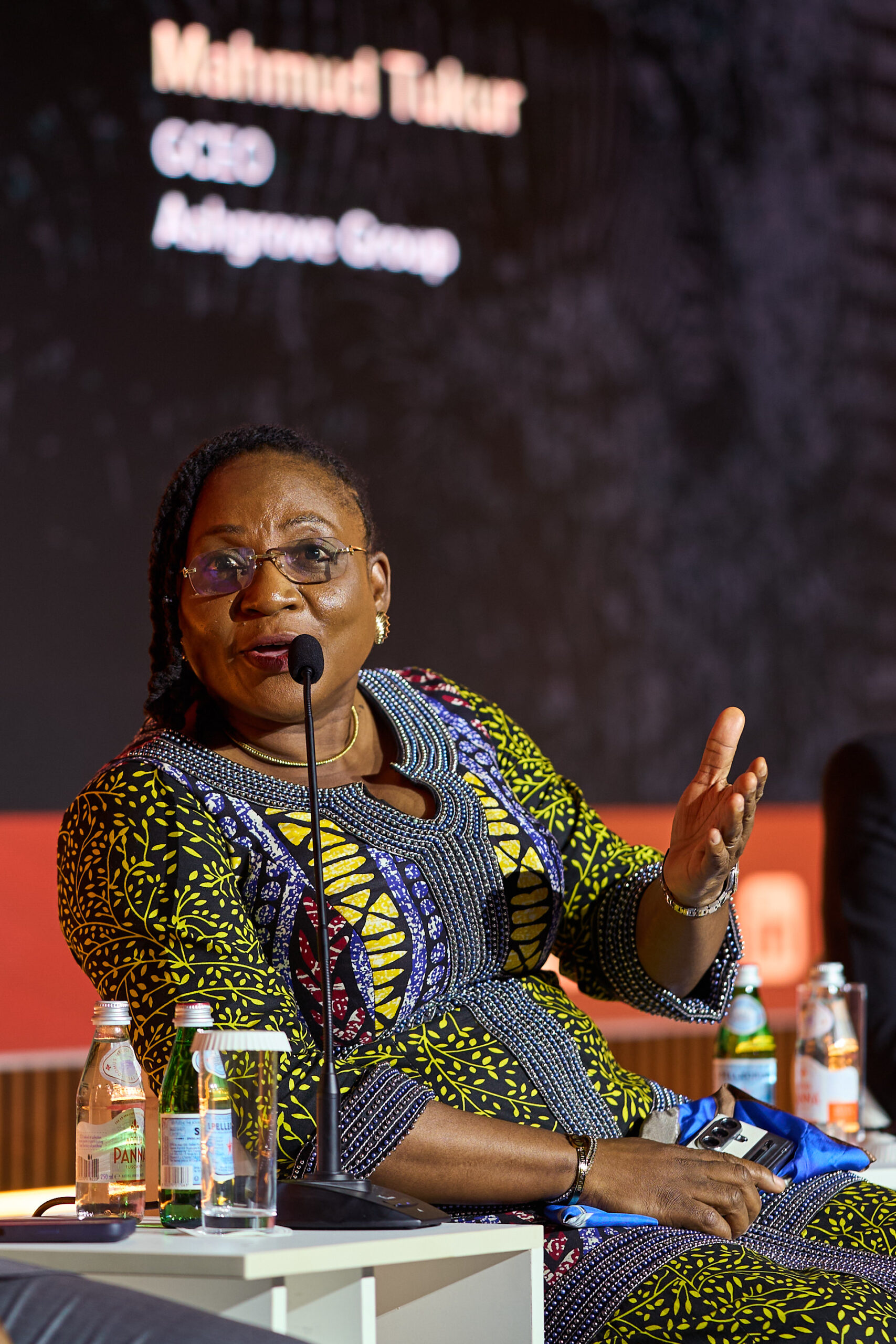
Managing Director and Chief Executive Officer of WAEP, Olajumoke Cecilia Ajayi, disclosed this at the AOW Energy Conference in Accra, Ghana, during a session titled, “The Future of the African Operator: Building the IOCs of Tomorrow”.
Dangote Investments Driving Africa’s Industrial Growth, Experts Say
58 Bank Accounts, 9 Entities, N400m Deal: Reps Uncover ‘Fake Presidential Council’ Network
Ajayi said WAEP’s Oil Mining Leases 71 and 72, previously operated by Shell, represented a significant resource opportunity, with more than 1.6 billion barrels of oil in place and about 1.9 trillion cubic feet of gas based on discoveries to date.
She said the company’s immediate focus was on extracting value from existing production opportunities before committing the proceeds to broader field redevelopment.
“The first thing is to look at the low hanging fruit, the short term oil gains, generate cash flow from that, put it back into the assets and start redevelopment. And that’s exactly what is happening currently,” she said.
The strategy is already moving into execution, with WAEP having signed contracts for three jack up rigs for a drilling campaign expected to begin in December.
According to Ajayi, the drilling programme will target increased production and the unlocking of additional value from the OML 71 and OML 72 portfolio.
“We will be drilling to ramp up production and also bring out the value in the asset,” she said.
She added that six field development plan studies were currently under way, providing the basis for a series of “back to back developments” across the assets.
A potentially significant element of the strategy is WAEP’s relationship with Dangote Petroleum Refinery and Petrochemicals, which could provide a domestic market for crude produced from the assets.
“One of the shareholders, one of the partners on this asset, is the owner of the largest refinery in Africa, Dangote Petroleum Refinery and Petrochemicals. So the oil would definitely be needed by the refinery,” Ajayi said.
The arrangement could further strengthen the connection between Nigerian upstream production and domestic refining as the country seeks to retain more value from its crude within the local energy system.
Ajayi also disclosed that WAEP was working towards establishing a dedicated terminal to support crude evacuation as production increases.
The proposed terminal could potentially serve other producers seeking to aggregate and evacuate crude, creating an additional commercial opportunity around WAEP’s infrastructure.
Speaking on the broader evolution of African independent operators, Ajayi said companies acquiring mature and brownfield assets from international oil companies must develop the technical expertise, capital capacity and operational discipline required to turn resource ownership into sustained production.
2027: Tinubu Leads Obi by Just 13 Votes as Public Pulse Tightens
Nigeria Facing ₦50tn Financing Crisis, Economy Cannot Grow on 30% Loans, CPPE Warns
She said WAEP had therefore been deliberate about strengthening its technical and organisational capabilities ahead of the next phase of development.
“We need to put round pegs in round holes. We need to put the right skill and competence in the different units,” she said.
Ajayi, who is also President of the Nigerian Association of Petroleum Explorationists, NAPE, later moderated a separate session titled, “The Nigerian Upstream Opportunity: Unpacking Nigeria’s Basins.”
She said WAEP expected to have significantly increased production and established gas monetisation arrangements within the next 24 months.
“Between now and the next 24 months, gas monetisation would have been in place. We would have ramped up production consistently,” she said, stressing that the objective was sustained output rather than intermittent production.