
…Says More Than 115 of Every 1,000 Children Die Before Age Five
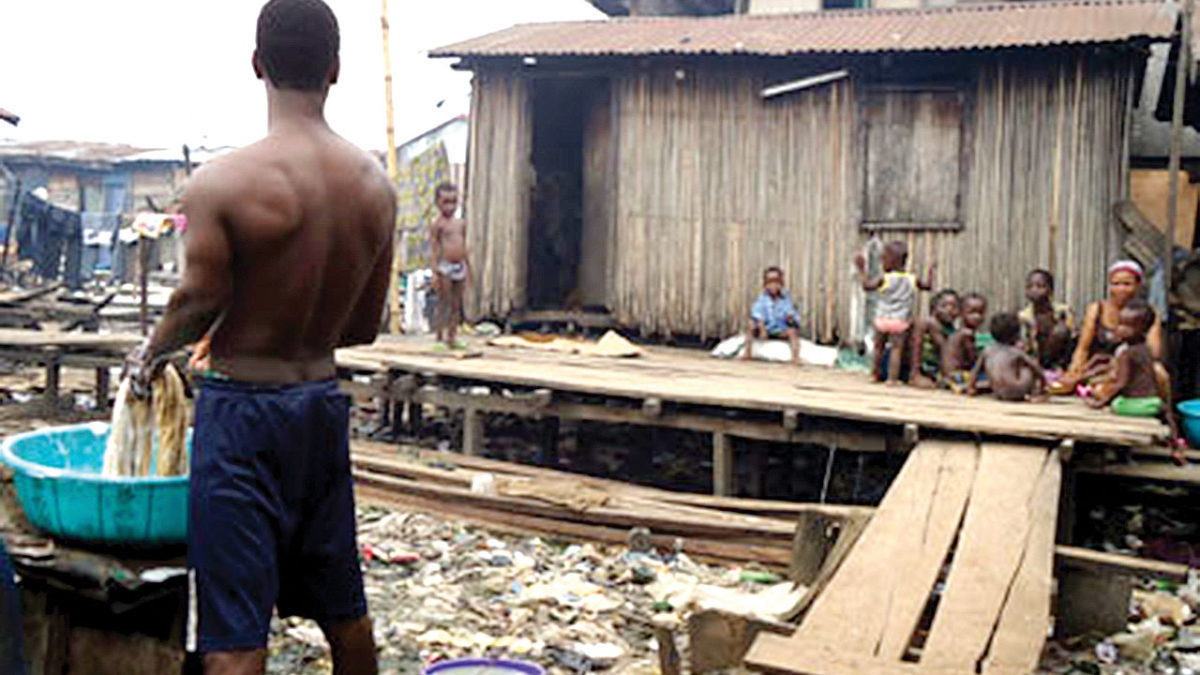
The Chairman of the Alliance for Economic Research and Ethics Ltd/GTE, Hon. Dele Kelvin Oye, has warned that Nigeria’s worsening poverty crisis is contributing to the deaths of thousands of children and creating a cycle of trauma that could affect generations to come.
In a statement titled “The Unquestioned Pain: How Nigeria’s Lived Realities Are Becoming a Culture of Trauma and Why We Refuse to Accept It,” Oye said poverty in Nigeria has evolved beyond economic deprivation into a public health and national development crisis.
According to him, more than 115 out of every 1,000 Nigerian children die before reaching the age of five, largely because poverty continues to deny millions of families access to adequate nutrition, quality healthcare and decent living conditions.
He warned that unless urgent structural reforms are implemented, poverty will continue to claim lives while limiting the future potential of millions of Nigerian children.
“Nigeria is not a poor country; it is a wealthy country with poor people. With vast oil and gas reserves, a massive youthful workforce, and an entrepreneurial spirit that defies logic, Nigeria possesses the ingredients for profound prosperity,” Oye said.
He noted that despite the country’s enormous natural and human resources, approximately 133 million Nigerians currently live in multidimensional poverty, while World Bank projections suggest that more than half of Nigerians could be living in monetary poverty by 2025.
According to Oye, the consequences extend far beyond empty wallets.
He said chronic poverty is exposing children to malnutrition, poor healthcare and educational disadvantages that are likely to persist throughout their lives.
“When national stunting prevalence affects 32 per cent of children under five, poverty becomes an intergenerational sentence,” he stated.
Oye also linked the country’s economic hardship to severe psychological consequences, arguing that prolonged exposure to deprivation is creating a culture of hopelessness among many Nigerians.
Drawing on research into intergenerational trauma, he said children raised in households overwhelmed by economic hardship are growing up with diminished expectations about their future.
“The trauma here is not merely material; it is psychological. Chronic exposure to deprivation and instability leads to learned helplessness, the perception that no matter what one does, circumstances cannot change.”
He warned that many Nigerian children are not only inheriting poverty but are also inheriting the expectation that poverty is inevitable.
Oye further highlighted the impact of rising food prices on vulnerable households, noting that soaring inflation has made it increasingly difficult for families to provide adequate nutrition for their children.
He argued that the country’s poverty crisis is the result of systemic failures rather than a lack of resources.
Army Hunts Soldier Accused of Selling Military Uniforms to Terrorists
‘Tinubu Inherited Near-Collapsed Economy from Buhari’ — FG Explains Why Public Debt Jumped
According to him, the persistence of widespread poverty in one of Africa’s largest economies reflects deep structural weaknesses that require deliberate policy interventions.
He urged governments at all levels to move beyond managing economic hardship and instead focus on reforms that expand access to healthcare, quality education, affordable housing, decent jobs and social protection.
“The challenge before Nigeria is no longer simply reducing poverty,” he said. “It is preventing poverty from becoming a permanent inheritance passed from one generation to another.”
Oye stressed that tackling poverty should be treated as a national emergency, warning that failure to address its root causes would continue to undermine Nigeria’s economic growth, human capital development and long-term stability.