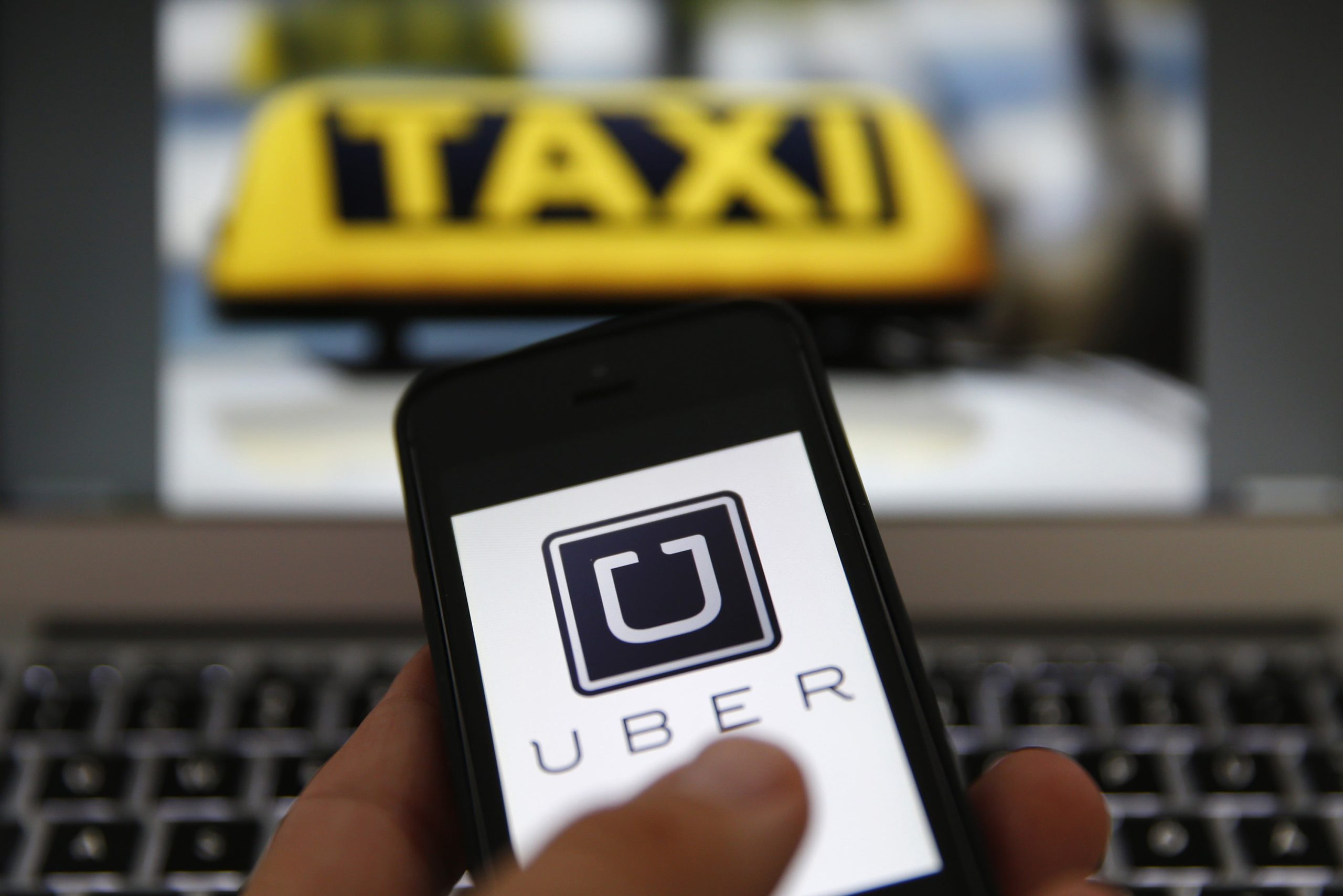
Nigerian users of ride hailing platform Uber were greeted with an unexpected “No ride available” message on Wednesday morning as the company announced plans to exit the Nigerian and Ugandan markets after 12 years of operation.
Uber said its Nigerian and Ugandan operations would cease on September 2, 2026, following a review of its evolving business priorities and investment focus across Africa.
Head of Communications, Uber East and West Africa, Lorraine Onduru, said the decision was not linked to the recent directive by the Federal Airports Authority of Nigeria concerning e hailing operations at Nigerian airports.
She said the decision was limited to Nigeria and Uganda and would not affect Uber’s operations elsewhere on the continent.
Dangote Refinery to stop selling Petrol to Importing Marketers Over Quality Concerns
Former Cambridge Professor Jason Arday Found Dead Days After Resigning Amid Plagiarism Row
“Uber remains deeply committed to Sub Saharan Africa, where we continue to see robust growth and long term opportunity,” Onduru said.
She said the company’s immediate priority was to support affected drivers, riders and employees during the transition, adding that active drivers would receive a token of appreciation.
Uber also said rider support would remain available for 21 days after operations cease to address outstanding and transition related issues.
Uber for Business services in Nigeria will also be discontinued, while the company said customer data would continue to be handled in line with applicable data protection laws and its privacy policies.
The announcement, however, has triggered debate among drivers over the reasons behind Uber’s departure from Nigeria.
A Federal Airports Authority of Nigeria cab driver, Eyo Christian, described the exit as a welcome development, arguing that the platform’s commission structure made the business difficult for drivers.
Christian said he had previously worked with Uber, Bolt and inDrive and claimed that the commissions deducted by the platforms left drivers with inadequate returns.
“I used to work for Uber, Bolt and inDrive. When they take their commissions, what is left for drivers is paltry,” he said.
But other Uber drivers interviewed by The Nation disputed that assessment.
Hakeem Adebajo, who worked with Uber for two years, described the platform as the best of the ride hailing services he had used, particularly because of its monitoring and security systems.
Another driver, Olanrewaju Shittu, said Uber had provided better earnings than competing platforms and alleged that some drivers contributed to the company’s difficulties by encouraging passengers to cancel trips and pay offline.
4 Easy Steps To Check Your 2026 WAEC Result
FIFA Steps Into Nigeria Football Crisis as Gusau, NFF Exco Exit
According to Shittu, drivers sometimes bypassed the platform to avoid commission deductions, while competition from inDrive, which allows passengers greater influence over fares, also affected Uber’s market position.
He claimed that Uber deducted about 33 per cent from drivers’ earnings, compared with 25 per cent for Bolt and 13 per cent for inDrive.
The exit has also triggered wider debate online over the sustainability of app based businesses in Nigeria, with some commentators blaming weak incentives and others pointing to the behaviour of drivers and riders.